RASTA 528Hz VST Plugin - Shift 440Hz to 528Hz Healing Frequency
Retune your production from 440 Hz to 528 Hz, the Solfeggio frequency often called the love frequency. RASTA 528Hz is built for producers who want a more healing, naturally rounded sound without sacrificing tempo, tone, or workflow speed.
- Toggle your project tuning between 440 Hz and 528 Hz instantly
- Retune audio to a 528 Hz-centered grid while preserving tempo and tone
- Set RASTA 528Hz on the master channel or on individual tracks with one switch
- Work in a C=528 tuning where A4 moves toward 444 Hz for a naturally smoother feel
Includes a fully featured 20-day trial.
$117
Watch RASTA 528Hz in Action
See how RASTA 528Hz fits into a modern audio workflow. This demo section supports the page story with the current media while the plugin concept itself focuses on moving productions away from standard 440Hz and into a 528Hz-centered tuning without changing tempo.
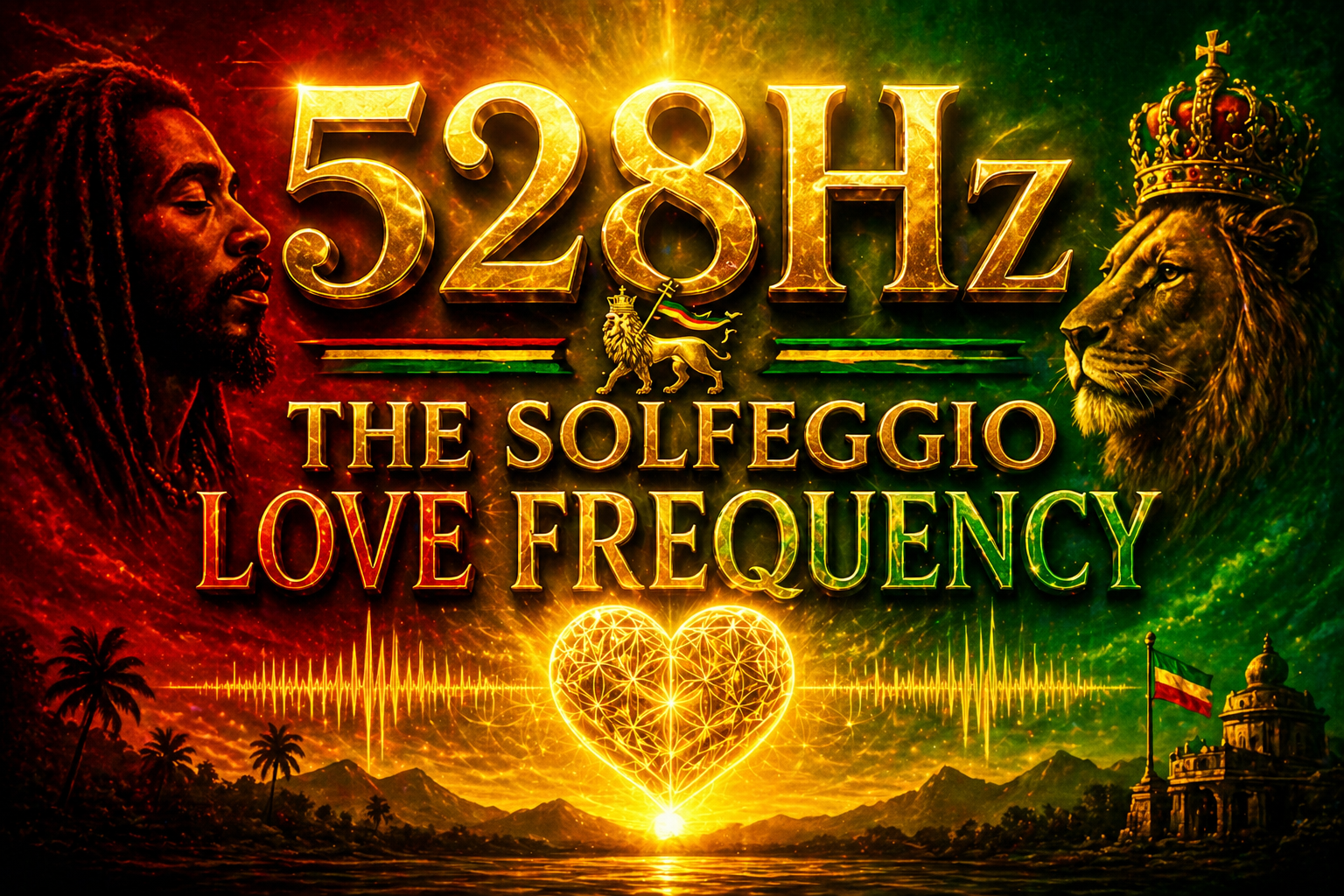
528Hz - The Solfeggio Love Frequency
In esoteric and music-adjacent circles, 528Hz is often called the love frequency or miracle note. It belongs to the Solfeggio family and is commonly chosen for music that aims to feel warmer, more restorative, and more naturally centered than standard 440Hz tuning.
C=528 Retuning Mathematics
In a 528Hz-centered tuning, the note C5 moves from about 523.25Hz to 528Hz. That same retuning shifts A4 from 440Hz to about 444Hz, moving the entire musical grid upward while preserving interval relationships and tempo.
528Hz in Musical and Esoteric Context
528Hz is widely described in wellness and esoteric communities as a restorative frequency. Claims about DNA repair and cortisol reduction are part of that narrative, but they are not established by peer-reviewed audio science. Musically, what matters is that RASTA 528Hz gives you a fast way to audition and produce in a 528Hz-centered system instead of standard 440Hz.
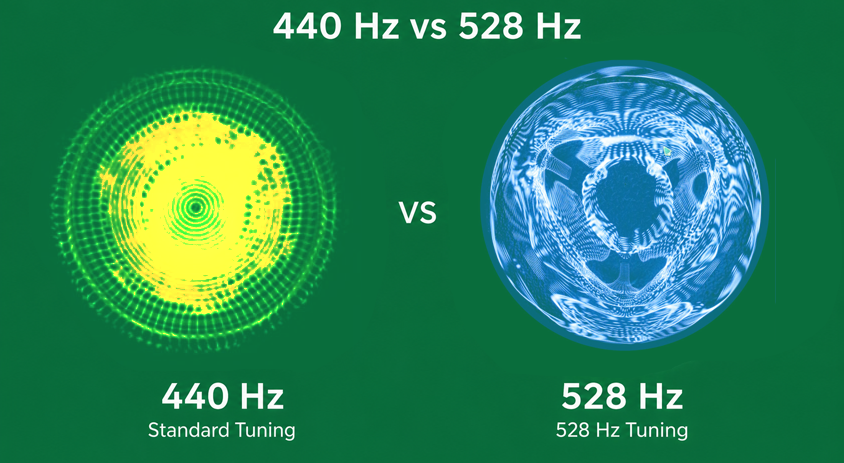
Water Crystal Transformation
Producers often reach for 528Hz when they want sound that feels softer, more open, and less rigid than standard tuning. Whether you approach it from symbolism, meditation culture, or pure sonic taste, RASTA 528Hz makes that retuning immediate inside the session.
C=528 Hz and the Solfeggio Tradition
528Hz is commonly treated as the reference point for the note C in Solfeggio-inspired tuning discussions. In that framework, A4 lands near 444Hz, creating a different tonal center while keeping the musical relationships intact.
Numerology enthusiasts often note that 528 is divisible by 2, 3, 4, 6, 8, 11, and 12, which is one reason it is frequently framed as a number of balance and order.
Quick 440Hz to 528Hz TEST
Use this comparison section to imagine the shift from standard 440Hz into a 528Hz-centered mix perspective. The goal of RASTA 528Hz is not to change your arrangement, but to let you audition the same material inside a different tonal reference that many artists describe as warmer, calmer, and more naturally rounded.
The Healing Narrative Around 528Hz
528Hz is frequently described as a healing or restorative frequency in meditation, wellness, and sound-healing communities. Whether you use it for symbolic reasons, for client expectations, or because you prefer its tonal feel, RASTA 528Hz brings that retuning workflow directly into your sessions.
Professional Studio Integration
RASTA 528Hz integrates into a standard professional DAW workflow, letting you audition a 528Hz-centered tuning on the master bus or on individual tracks. The plugin concept is simple: preserve timing, preserve feel, and let you explore a different frequency anchor without rebuilding the mix.
Meditation, Wellness, and Ambient Use Cases
528Hz is especially popular in meditation, ambient, wellness, breathwork, and vocal-centered productions. Many creators use it because the tuning concept aligns with themes of love, restoration, and natural resonance, making it a useful creative target even when listeners do not know the technical tuning behind the track.

Advanced Water Crystal Analysis
One of the key musical ideas behind 528Hz is that it treats C as the main reference note rather than A440. In practical terms, that places C5 at 528Hz and shifts A4 toward 444Hz, giving your entire arrangement a slightly different pitch center while keeping the relationships between notes intact.
Precision Behind the Retuning Engine
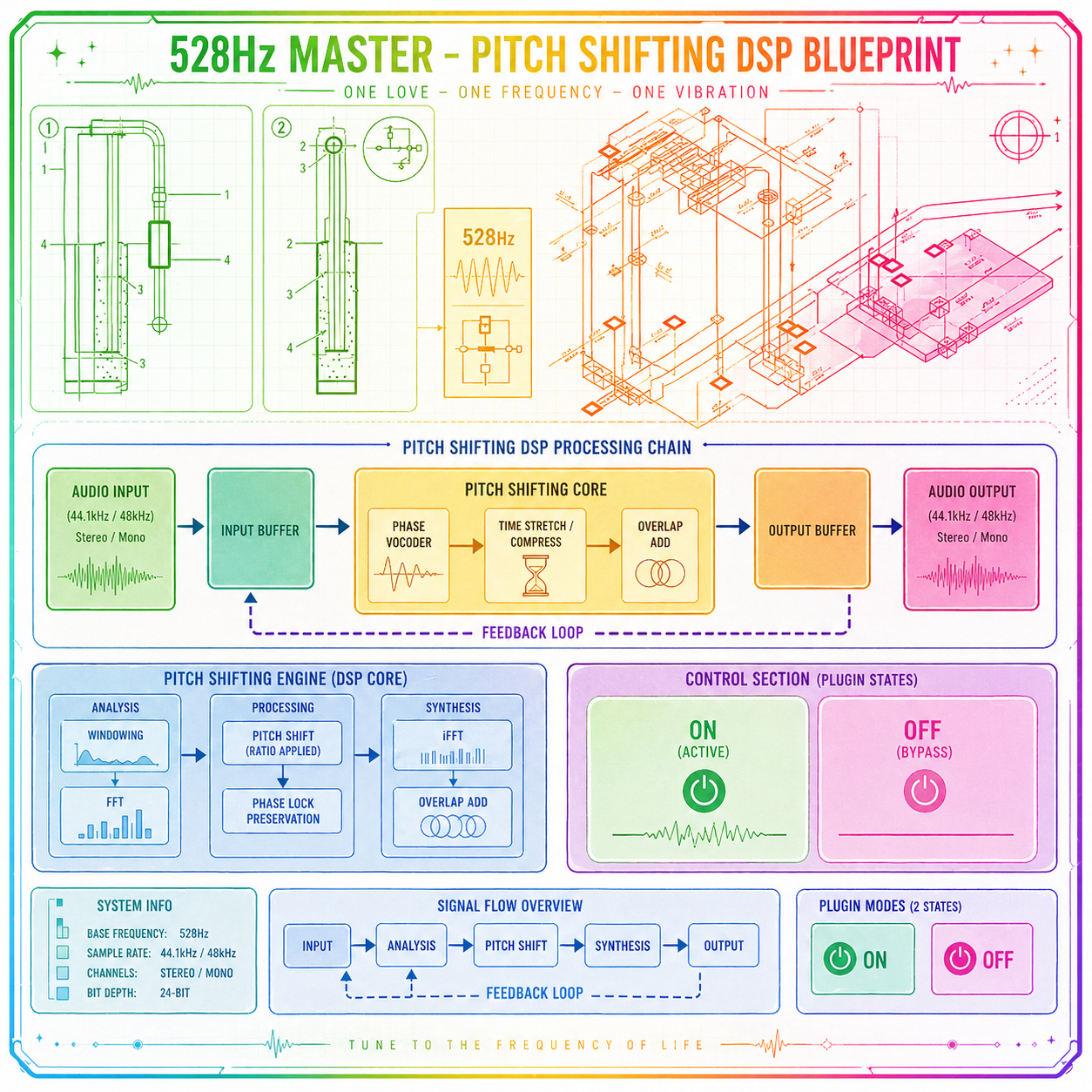
Behind RASTA 528Hz is the same kind of precision retuning logic producers expect from a modern pitch-processing tool. To move a project from standard tuning into a 528Hz-centered grid, the engine has to shift material by roughly +15.64 cents, maintain phase coherence, preserve transients, and avoid tempo drift so the result still feels like the original performance.
Why 528Hz Is Called the Miracle Note
In esoteric circles, 528Hz is often called the miracle note because it is associated with love, transformation, and repair. Those ideas are cultural and symbolic rather than settled science, but they remain a major reason why artists, healers, and wellness brands actively look for 528Hz-based music and production tools.
Evolutionary Frequency Patterns
Part of the appeal of 528Hz is numerical as much as musical. Because 528 is cleanly divisible by many integers, it is often presented as a frequency of order and internal balance. RASTA 528Hz turns that symbolic framework into a practical production option you can audition instantly.

Visual Metaphors and Tuning Identity
The imagery surrounding 528Hz often leans into geometry, light, and transformation. That visual language matters because the plugin is not only a technical utility, but also a creative identity tool for artists making wellness music, meditation releases, sound baths, or concept-driven frequency projects.
528Hz, Pattern, and Proportion
Producers who are drawn to 528Hz often talk about coherence, symmetry, and proportion. Even when you set aside the metaphysics, the practical takeaway is clear: this tuning gives you a distinct sonic identity and a strong concept to build artwork, messaging, playlists, and release strategy around.

Natural Texture and Tonal Feel
Many listeners describe 528Hz retuned material as smoother, brighter in the center, and less tense than standard 440Hz material. That perception is subjective, but it is exactly why a dedicated 528Hz plugin can be valuable: you can hear the difference in context and decide whether it supports the emotional direction of the track.
Vibrational Wave Patterns and Energy Fields
Explore how a 528Hz-centered retuning changes the visual and conceptual identity of a track. RASTA 528Hz is designed for producers who want a cleaner symbolic frame for healing music, meditation releases, and frequency-based branding without rebuilding the arrangement from scratch.
Trusted by Industry Professionals

Amara Okafor
Vocal Production Director
"RASTA 528Hz keeps the lead vocal intimate while the whole record feels calmer and more open."

Gabriela Santos
Holistic Mixing Engineer
"I can move a session toward 528Hz in minutes and the master immediately feels smoother without losing punch."

Leila Al-Farsi
Meditation Audio Producer
"For breathwork and wellness releases, this plugin gives the harmonic bed a gentler, more centered tone."

Jada Thompson
Independent Mastering Consultant
"Clients notice the warmer emotional lift right away. It is a fast way to give a track a more restorative signature."

Shanice Williams
Sound Healing Composer
"RASTA 528Hz helps me keep modern production energy while steering the music into a more natural-feeling frequency space."

Claire Dubois
Mastering Engineer
"On mastering passes, it softens the edge of aggressive top end and leaves the mix feeling more musical."

Hannah Collins
Recording Artist
"I use it when I want demos to feel emotionally warmer before I even start final vocal production."

James Fernandez
Sound Designer
"For ambient and cinematic work, the 528Hz retune creates a distinct mood without breaking the arrangement."

Emma Walker
Audio Post Engineer
"It is a practical way to prepare wellness-focused releases for clients asking for a less clinical tuning feel."

Charlotte Evans
Audio Engineer
"The plugin keeps the workflow simple. One switch and the entire session leans into a more rounded harmonic color."

Viktor Andersen
Mastering Engineer
"RASTA 528Hz lets me explore a different mastering flavor while preserving timing, balance, and translation."

Patrick O'Connor
Mix Engineer
"When a production needs a signature beyond standard 440Hz, this is the fastest tuning move I reach for."
Frequently Asked Questions
What is the difference between 528Hz and standard 440Hz tuning?
Standard modern tuning uses A4 = 440Hz as its main reference. A 528Hz-centered system instead treats C5 as 528Hz, which moves A4 to roughly 444Hz and slightly retunes the whole musical grid for a different tonal feel.
Which DAWs are compatible with RASTA 528Hz?
RASTA 528Hz is intended for major DAWs that support modern plugin workflows, including common VST/VST3 hosts such as Ableton Live, Cubase, Studio One, Reaper, and FL Studio. The page keeps the compatibility positioning broad while the media and assets remain in transition.
Does the plugin affect audio quality or tempo?
The retuning concept is designed to preserve tempo and the overall integrity of the source while shifting pitch into a 528Hz-centered reference. The intent is to change tuning, not arrangement timing.
How long is the free trial period?
The page currently presents the product with a fully featured 20-day trial so producers can test a 528Hz-centered workflow inside real sessions before committing.
Is 528Hz scientifically proven to heal or repair DNA?
No conclusive peer-reviewed audio science shows that 528Hz repairs DNA or acts as a medical treatment. Those ideas belong to the symbolic and esoteric narrative around Solfeggio frequencies, which is exactly why this plugin is framed as a creative retuning tool rather than a medical claim.
Transform Your Sound, Transform Your Reality
RASTA 528Hz is designed as a creative retuning tool for producers exploring the Solfeggio love frequency inside a real DAW workflow. Use it when you want to move from standard 440Hz into a 528Hz-centered tonal frame, keep your tempo intact, and build music for healing, meditation, ambient, or concept-driven releases with a stronger frequency identity.